If you cannot bend down to put your socks on, a sock aid can help. You sit in a chair, pull the sock onto a small plastic or fabric helper, put it on the floor, slide your foot in, then pull it up your leg.
Most people who wear ordinary cotton socks start with a curved piece of plastic and two long tapes. In UK shops that is often a Homecraft Dorking. It only works if your hands can get the sock onto the plastic. If the sock keeps slipping off, look at a fabric helper with straps instead — Amazon sells those as sock and stocking aids. Tight medical stockings from a clinic need a stronger frame, and a way to take them off at night. The small plastic helper is not that frame.
Key takeaways
- Sit down and try it with the socks you wear at home. If you cannot get the sock onto the helper, do not buy that one.
- For ordinary cotton socks, start with the curved plastic helper with tapes (a Homecraft Dorking is the usual UK name).
- If the sock will not stay on plastic, buy a fabric or nylon helper with straps. That is a different shape, not a “better Dorking”.
- Tight medical stockings need the frame your clinic names, and something to take them off at night.
- How to use one, slowly, including what goes wrong: how to use a sock aid.
If you have had a hip or knee operation, or getting dressed is hard in other ways too, ask your GP. They can point you to an occupational therapist: someone who helps with daily tasks. Some people are lent a sock aid after that. You cannot walk into an NHS equipment store and pick one off a shelf. A mobility shop will usually let you try your own sock in a chair before you pay.
Quick comparison
| What it is | Best for | How it works | Skip it if |
|---|---|---|---|
| Curved plastic with tapes (Homecraft Dorking) | Ordinary short and mid-length cotton socks | The sock clips into notches or slots. You pull two tapes. | You cannot get the sock onto the plastic, or you wear tight medical stockings |
| Fabric or nylon helper with straps | Socks that slip off plastic, thicker socks, some tights | The sock sits on fabric. You pull straps or loops. | Your clinic told you to use a compression frame |
| Stiff frame for tight stockings | Support and compression stockings from a clinic | You stretch the stocking over a coated frame, then pull handles | You only need ordinary cotton socks |
Match the aid to the socks you wear
Short everyday socks usually work with the curved plastic helper. If that sock will not stay on the plastic, or it clings to the carpet as you pull, use a fabric helper. Tight medical stockings need the frame made for those stockings, not the small plastic aid. Decide from the sock, not from the price.
Getting the sock onto the aid uses your fingers. If you struggle to open a jar, you may struggle with the plastic helper too. Fabric holds the sock more easily for some hands. A compression frame means stretching the stocking over a stiff column, then pulling long handles. If one hand does little, hold the aid between your knees or ask someone to put the sock on the aid while you sit.
Ordinary cotton socks
- Choose
- A Homecraft Dorking. There is a version with slots in the sides if the sock keeps slipping down.
- Check
- Can you get this sock onto the plastic from a chair?
The sock will not stay on plastic
- Choose
- A fabric helper with straps. Start with Aidapt on Amazon. NRS and Homecraft sell the same shape.
- Check
- Can you get your sock onto the fabric while you are sat down?
Medical compression
- Choose
- The frame your clinic or the stocking maker names. That might be a stiff Homecraft donner or a medi Butler — not the small plastic Dorking.
- Check
- Open-toe or closed-toe, and how you will take the stocking off at night.
Someone else puts them on
- Choose
- The same aid, used beside the chair.
- Check
- You still sit. This is not a hoist.
Plastic helper
Start here if you can get a cotton sock onto curved plastic. Homecraft’s Dorking is 22.9 cm (9″) of plastic, 92 cm (36″) tapes, and about 55 g. You pull the sock onto the plastic until the top sits in the notches or slots, put it on the floor, put your foot in, and pull the tapes so the sock comes up and the plastic slides off.
Homecraft Dorking — standard
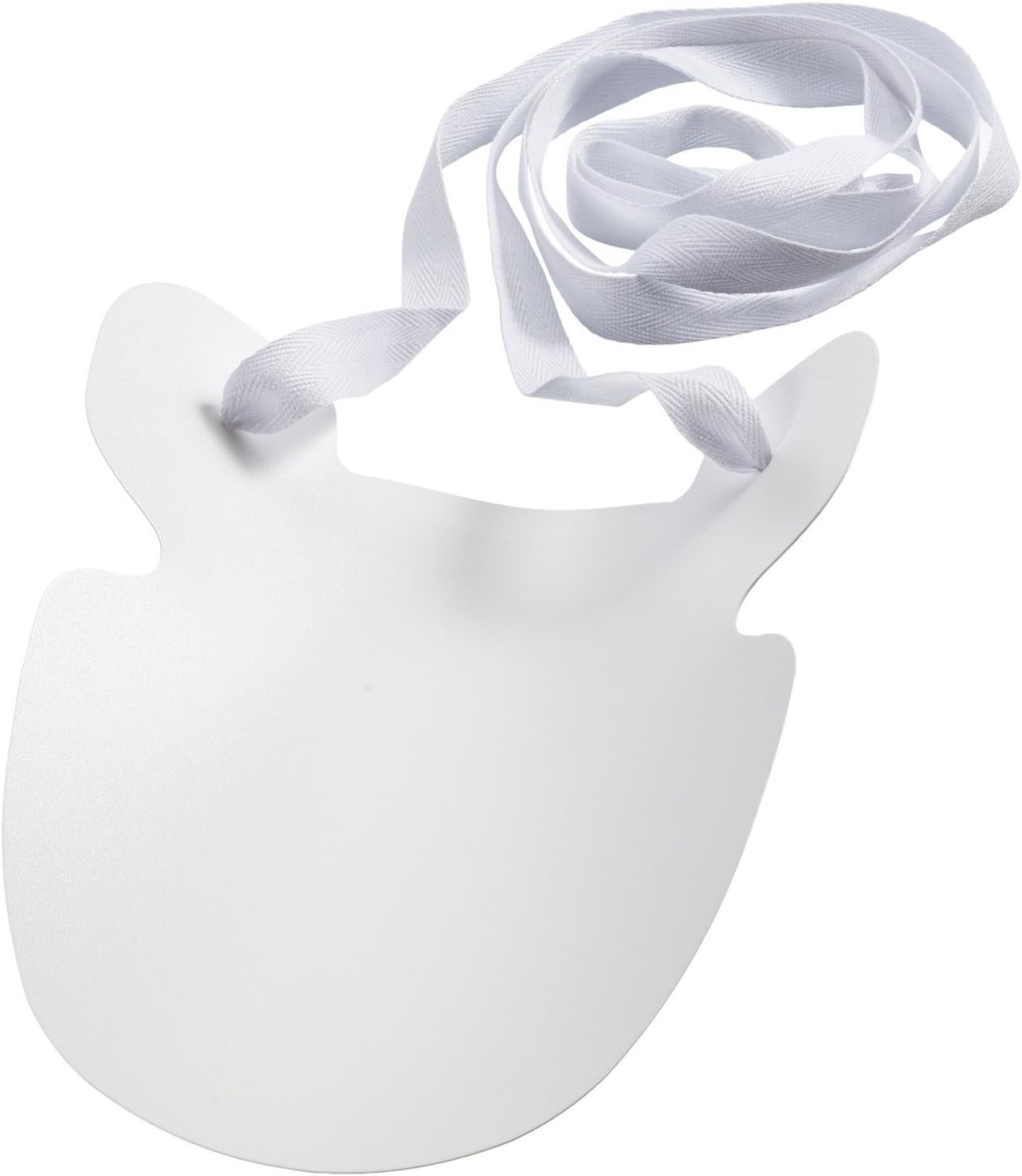
Homecraft Dorking Stocking Aid, Standard
- Ultralight at only 4.7kg
- Lightweight solid 7" wheels for indoor or outdoor use
- Comes standard with carry pouch
- Arthritic friendly loop brakes
- Handles are adjustable in height
This is the plain plastic helper with notches. If a cotton sock stays on it in your lap, start here. Also sold by UK mobility shops such as Health and Care.
Homecraft Dorking — slots in the sides
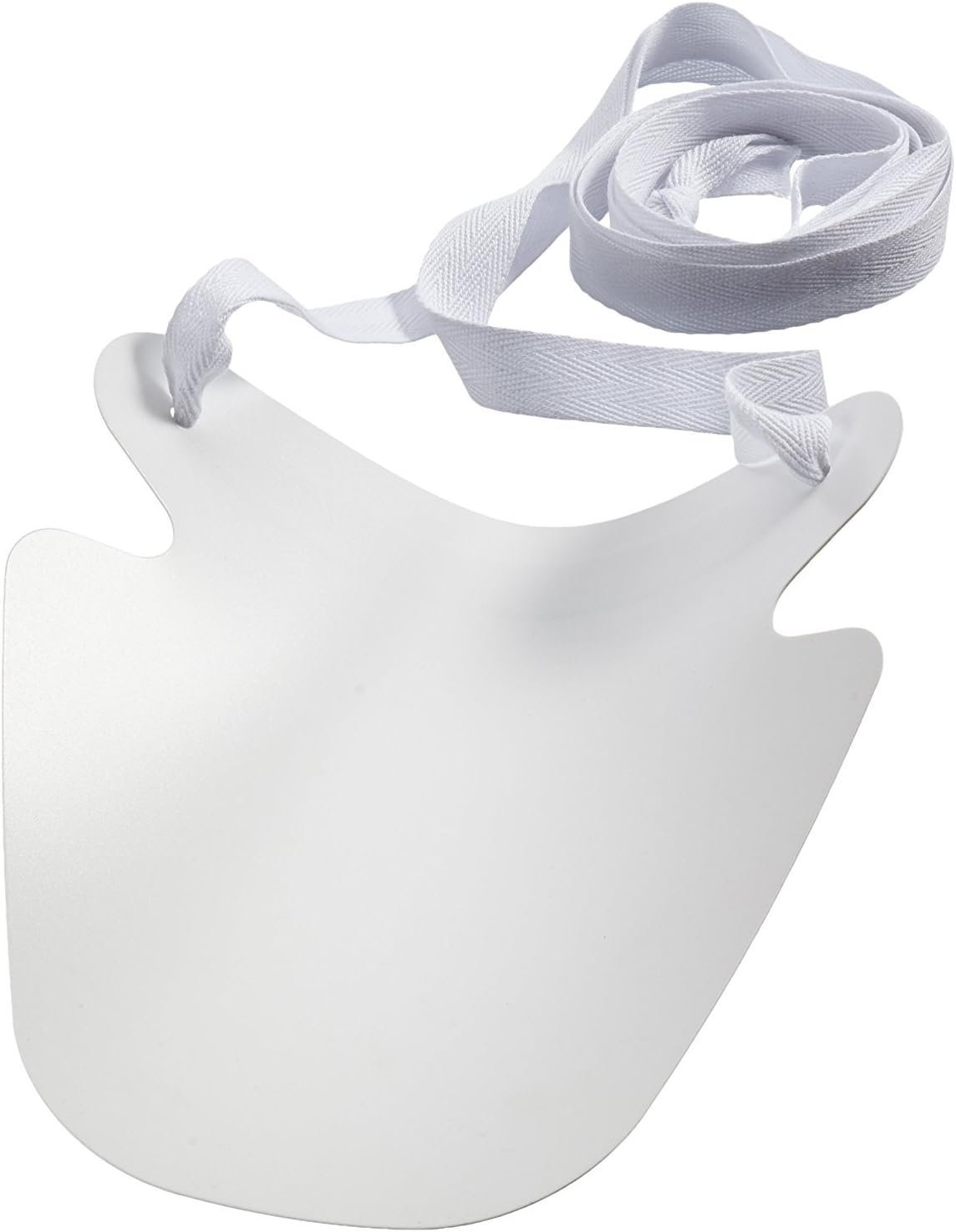
Homecraft Dorking Stocking Aid, Side Slot
- Ultralight at only 4.7kg
- Lightweight solid 7" wheels for indoor or outdoor use
- Comes standard with carry pouch
- Arthritic friendly loop brakes
- Handles are adjustable in height
Same idea, with slots so the sock is less likely to slide down the plastic. If the standard one drops the sock on the way to the floor, try this. Also listed at Essential Aids.
Ninety-two centimetres of tape is enough from a dining chair with your feet on the floor. It feels short if you sit on a high bed. Sit so the aid lands under the foot you are dressing, not a stretch away.
Fabric helper
Use this when the sock will not stay on plastic, or when it grabs the carpet as you pull. The usual UK shape is a flexible plastic core, terry cloth on the outside to grip the sock, nylon on the inside so your foot slides through, and two straps with loops. Thick hiking socks and padded diabetic socks often need more of the aid inside the sock, not a harder pull. Try the sock you wear, not a thin shop sample.
Aidapt sock and stocking aid
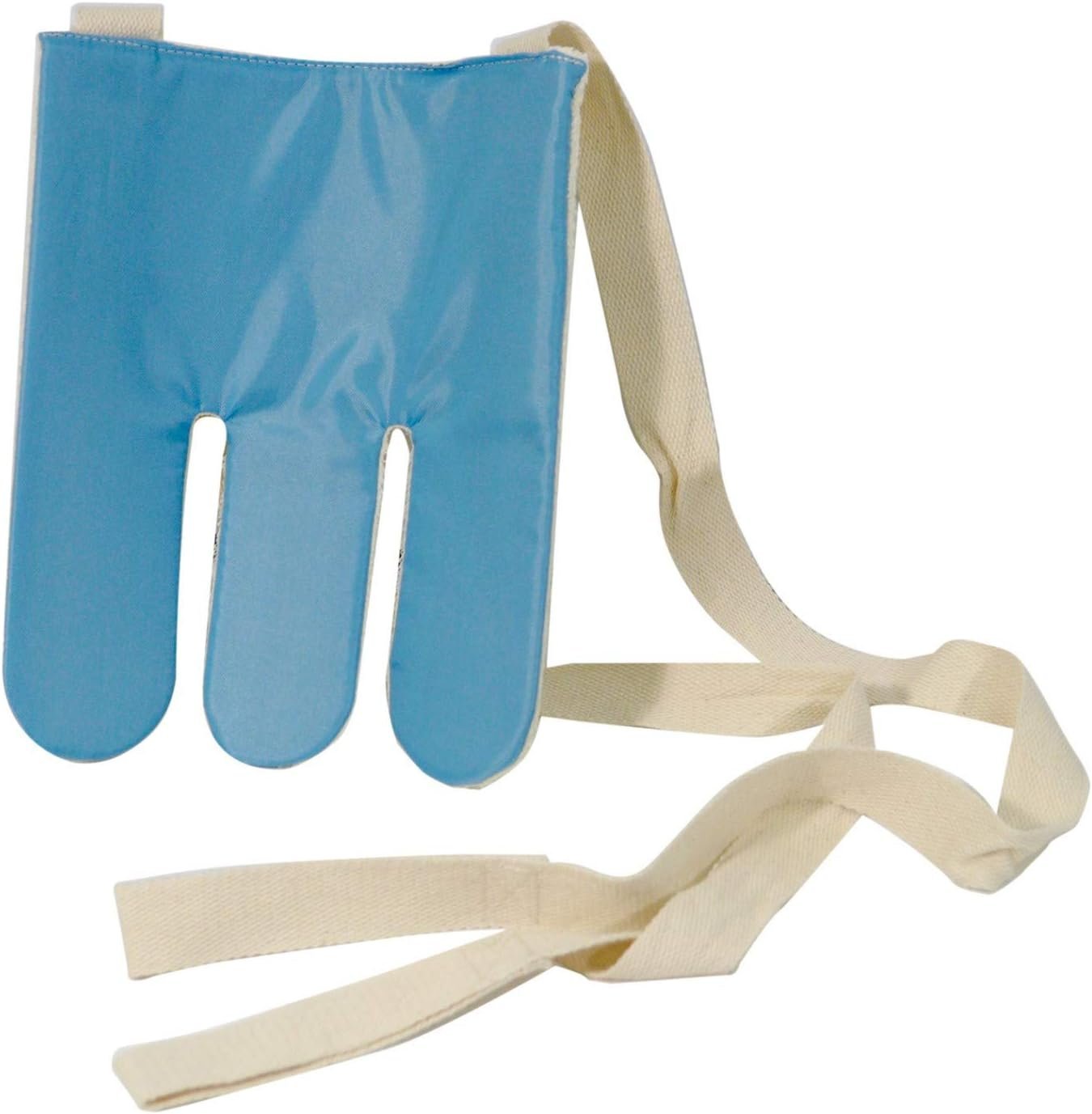
Aidapt sock and stocking aid
- Ultralight at only 4.7kg
- Lightweight solid 7" wheels for indoor or outdoor use
- Comes standard with carry pouch
- Arthritic friendly loop brakes
- Handles are adjustable in height
Aidapt is a UK daily-living brand. This helper has a nylon lining so the foot slides through, and loop handles on straps about 81 cm long. It is sold for socks and for tights. Start here if the plastic Dorking will not hold your sock.
NRS sock and hosiery aid
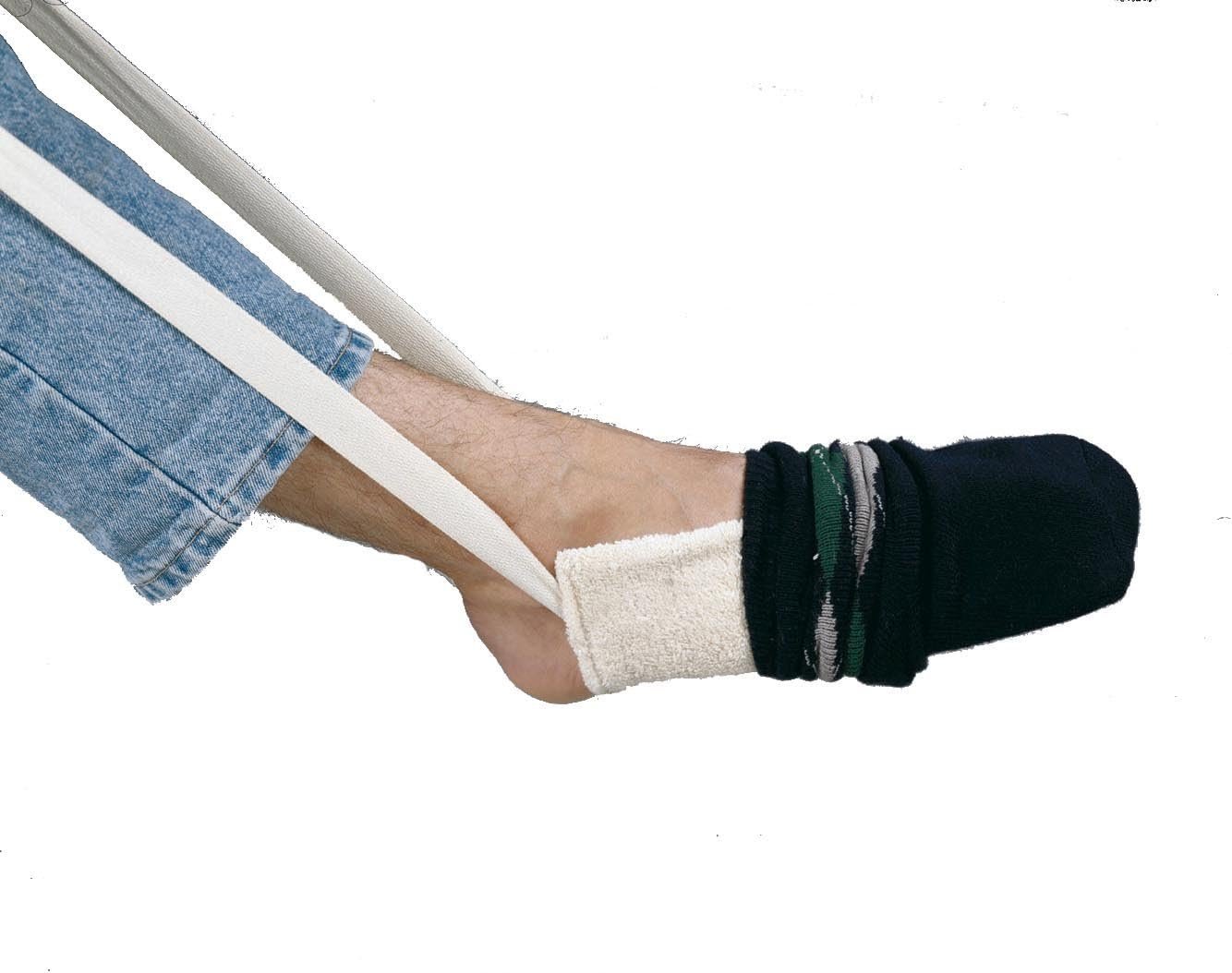
NRS sock and hosiery dressing aid
- Ultralight at only 4.7kg
- Lightweight solid 7" wheels for indoor or outdoor use
- Comes standard with carry pouch
- Arthritic friendly loop brakes
- Handles are adjustable in height
NRS is a UK community-equipment brand. Terry cloth on the outside grips the sock. Nylon on the inside lets the foot slide through. Straps are about 82 cm. NRS sell it for socks, stockings and tights. Choose this if you want that same fabric shape from a brand already used in UK care settings.
Homecraft terry cloth sock aid
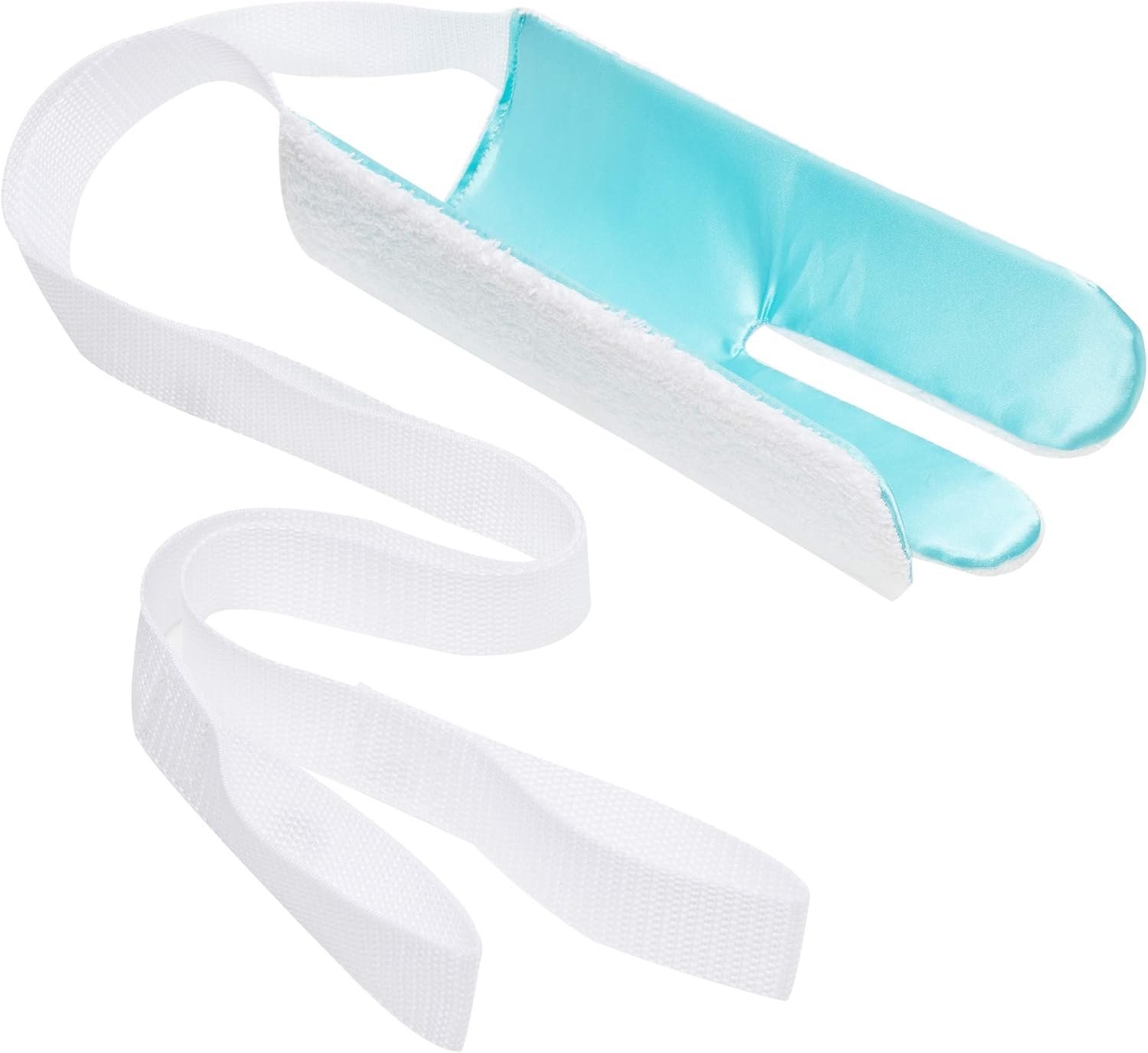
Homecraft terry cloth sock aid
- Ultralight at only 4.7kg
- Lightweight solid 7" wheels for indoor or outdoor use
- Comes standard with carry pouch
- Arthritic friendly loop brakes
- Handles are adjustable in height
Same job as the NRS aid, from the same Homecraft range as the plastic Dorking. Shops list it at about 23 cm long and 73 g, with loop handles for one-handed use. Choose this if you already like Homecraft and the plastic Dorking will not hold your sock.
Compression is a different kit
Medical compression is meant to be tight. Pulling it like a cotton sock bunches the fabric or tears the top band. Use the putting-on frame named on the stocking leaflet, not the small plastic Dorking and not a fabric sock aid meant for ordinary socks.
Homecraft make a stiff coated frame (a stocking donner) with a ridge so the stocking cannot slide, a wider top for the calf, and handles that turn. medi’s Butler variable is a metal stirrup; handle length is about 37–58 cm on medi UK. Butler Off is their tool for taking stockings off. medi say it is not for mediven forte or flat-knit garments. If your clinic issued those, do not use a generic take-off tool.
Open-toe stockings sometimes need the maker’s toe cap. Swollen feet, ulcers, and new surgery are a clinician’s sheet, not a marketplace listing.
Taking the sock off
Most cheap plastic sock aids only put socks on. At night you still need a dressing stick, a long-handled shoehorn, medi’s Butler Off if they allow it for that stocking, or another person. Do not loop the Dorking tapes behind a swollen ankle and pull.
Who should choose what
Ordinary cotton socks, and you can get the sock onto plastic: Homecraft Dorking. Choose the version with slots in the sides if the sock keeps slipping down.
The sock will not stay on plastic, or it catches on the carpet: a fabric helper with straps. Start with Aidapt. NRS and Homecraft terry cloth are the same job.
Compression stockings from a clinic: the frame they name, and a way to take them off. Do not “try” the small plastic Dorking on those stockings.
After a hip or knee operation: use the method the hospital therapist gave you, even if the aid is a Dorking. This page does not change those rules.
What usually goes wrong
The sock will not stay on the aid. There is not enough sock on the plastic. Push more on, including the heel. If it still slips, try the Dorking with side slots, or a fabric helper.
The heel of the sock sits under the middle of your foot. You pulled before your toes were in, or the heel of the sock was facing the side. Put the sock on the aid again, wait, then pull up toward your knee. Full steps: how to use a sock aid.
The tapes will not reach. The chair is too high. Sit so your feet are on the floor and the aid sits under your foot.
It worked in the shop on a thin sock. Prove it on the sock you wear. A dress sock on a Dorking proves nothing about a padded sole.
Trying one in a shop, and VAT
You can sit down in a mobility shop and try your own sock before you pay. Some local centres for disabled living will let you do the same.
If you have just left hospital, ask the therapist who helped you get dressed whether they can lend you one. You cannot walk into an NHS store and pick one off a shelf. The NHS explains the usual route here: walking aids, wheelchairs and mobility scooters.
Many dressing aids are sold without VAT if you qualify. See the VAT relief guide.
Check before you order
- The exact sock or stocking: ankle, crew, knee, tights, or the tight medical stocking your clinic named.
- That you can load that sock onto the aid from a chair, with your hands, in five minutes.
- Tape or strap length from the chair you dress in, feet on the floor.
- A named frame for putting compression on, and a named way to take it off, if that is what you wear.
- Open-toe versus closed-toe, if that is what you wear.
- A plan for the second foot, and for taking the garment off at night.
Questions people actually ask
Is a sock aid the same as a compression stocking frame?
No. The small plastic Dorking holds a loose sock open. A compression frame stretches a tight stocking so your foot can go in. Using the small Dorking on medical compression can twist the heel or damage the band.
Will a sock aid work after a hip replacement?
Often that is exactly when hospitals issue one, but the bending rules come from that surgeon and therapist, not from this page. Use their sheet. The aid on this page does not change hip precautions.
Will a fabric helper do tights?
Some will. NRS and Aidapt name theirs for socks and tights. Dress one leg at a time, still sitting. If the waistband fights you, that is a dressing-stick or helper job, not a harder yank on the straps.
Do I still need something to take socks off?
Usually yes. Aids that put socks on often do not take them off cleanly. Plan a dressing stick, a long shoehorn, or the take-off tool your stocking maker allows.
Can I get one on the NHS?
Sometimes, after an occupational therapy or hospital assessment. You cannot order from the community equipment store yourself. You can always buy from a mobility shop and try first.